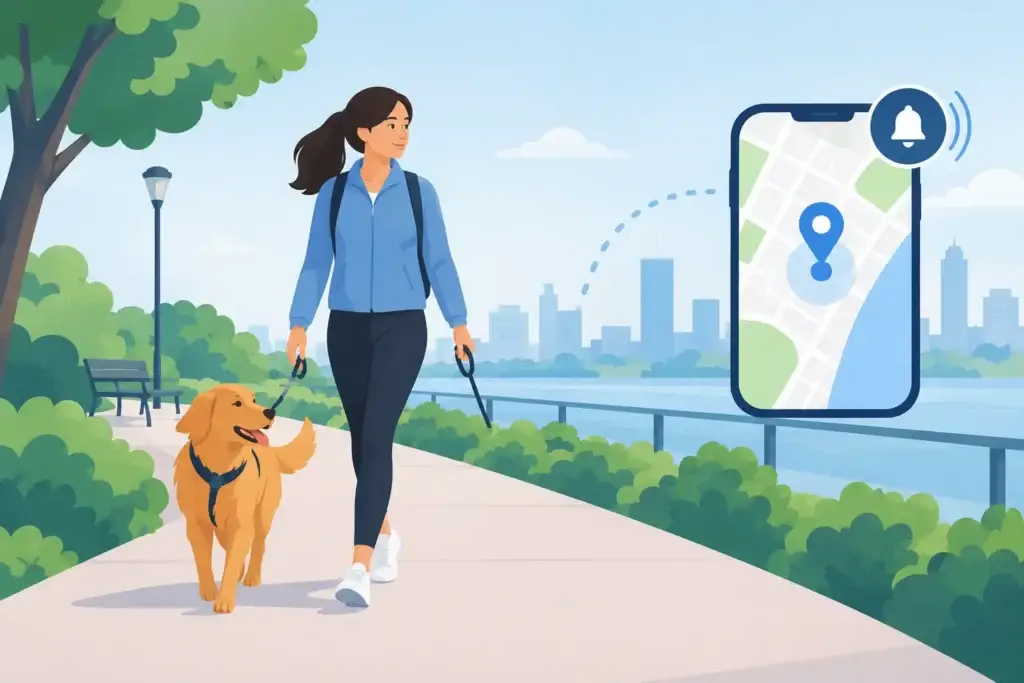
A walk to the parking garage should not require a dramatic decision. Neither should leaving a date that suddenly feels wrong, waiting for a rideshare after dark, or realizing you are being followed. Silent alert location sharing is built for those unsettled moments – when you want a trusted person to know where you are without calling attention to your phone or explaining yourself out loud.
The value is not in turning your life into a surveillance operation. It is in having a quiet, intentional option when your instincts say, “I want someone in my corner.” Used with care, a silent alert can give you a little more room to get to a safer place, contact help, or simply avoid being alone with a concern.
What silent alert location sharing actually does
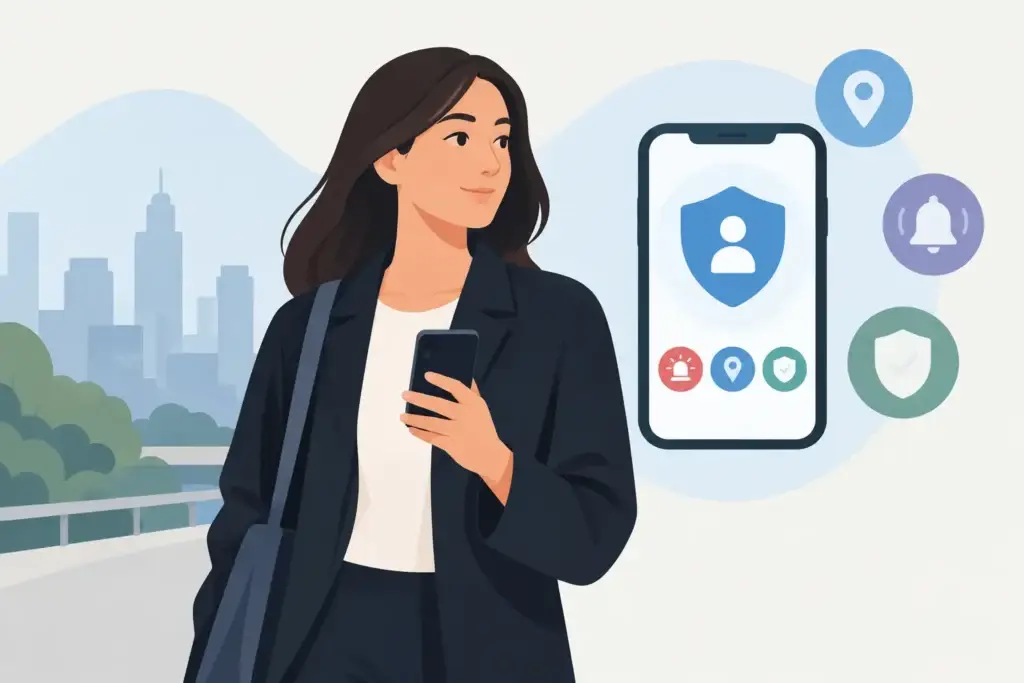
A silent alert sends a prewritten message and your current location to people you have already chosen as trusted contacts. Rather than composing a text under pressure, you use a discreet action in an app to let those people know something may be wrong.
The message can be direct: “I need you to check on me.” It can also be more specific, depending on how the tool is set up. The key is that the alert is quiet. It does not require a phone call, a public confrontation, or a detailed explanation when you may not feel safe giving one.
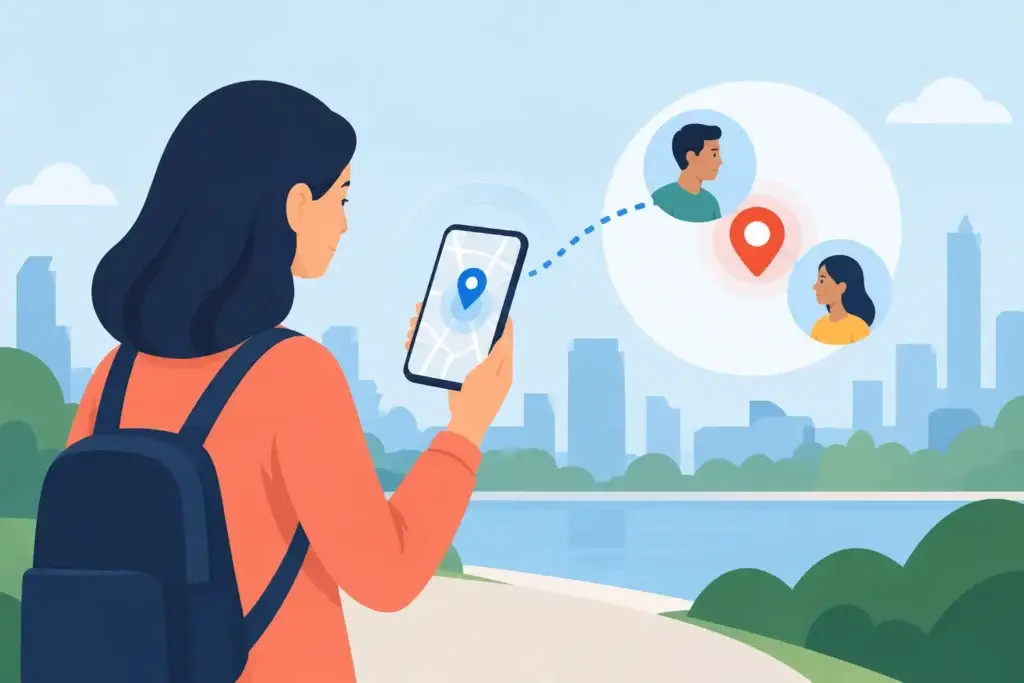
Location is only one part of the message. A map pin can help a friend understand where to look, whether you are still moving, or which entrance to use if they are nearby. But the human part matters just as much. The person receiving the alert needs to understand what you have agreed the alert means and what they should do next.
That distinction matters because an alert is not an emergency response system. It does not dispatch police, guarantee that a contact sees a notification, or replace calling 911 when there is immediate danger. It is a personal safety support tool, not a promise that technology can control an unsafe situation.
When a quiet alert can be useful
The best use case is often not a full emergency. It is the moment before one, or a situation you cannot yet name with certainty. You might feel uneasy crossing a campus late at night. You may be walking home after an argument, meeting someone from an app, or entering a building where you have had an uncomfortable experience before.
In those moments, people often hesitate because they do not want to seem dramatic. A silent alert creates a middle ground. You do not have to prove that something bad is happening before asking someone to pay attention.
It can also help when speaking freely is difficult. Maybe someone is standing too close. Maybe you are in a car and do not want the driver to hear you make a call. Maybe anxiety has made it hard to think through a message. A familiar alert setup can reduce the number of decisions you need to make when your body is already telling you to focus on getting out.
Still, it depends on the situation. If you are in immediate danger, make noise, seek a public place, call 911, or contact local emergency services if you can do so safely. Silence is useful when it protects your options. It should never become a rule that keeps you from getting urgent help.
Set up trusted contacts before you need them
An alert system only works as well as the small plan behind it. Choose people who are likely to notice a message, take your concern seriously, and respond calmly. A loving relative who keeps their phone on silent overnight may not be the right first contact. A friend who understands your routine and reliably answers might be.
Have a short, honest conversation with each person before adding them. Tell them what an alert from you means. Decide whether they should call you first, text a simple check-in, call someone nearby, or contact emergency services if you do not respond. There is no universal answer. The right plan reflects your location, your relationships, and what feels safest to you.
Keep the message simple enough to understand at a glance. It should identify you, communicate that you need attention, and make it clear that the location is attached. Avoid coded language that only one person understands unless everyone involved truly knows what it means. In a stressful moment, clarity beats cleverness.
Review your contact list occasionally. People change numbers, relationships shift, and not every trusted person needs permanent access to a safety feature. You should be able to remove or change contacts without guilt. Safety tools should strengthen your control, not create another obligation.
Privacy is part of safety, not a separate feature
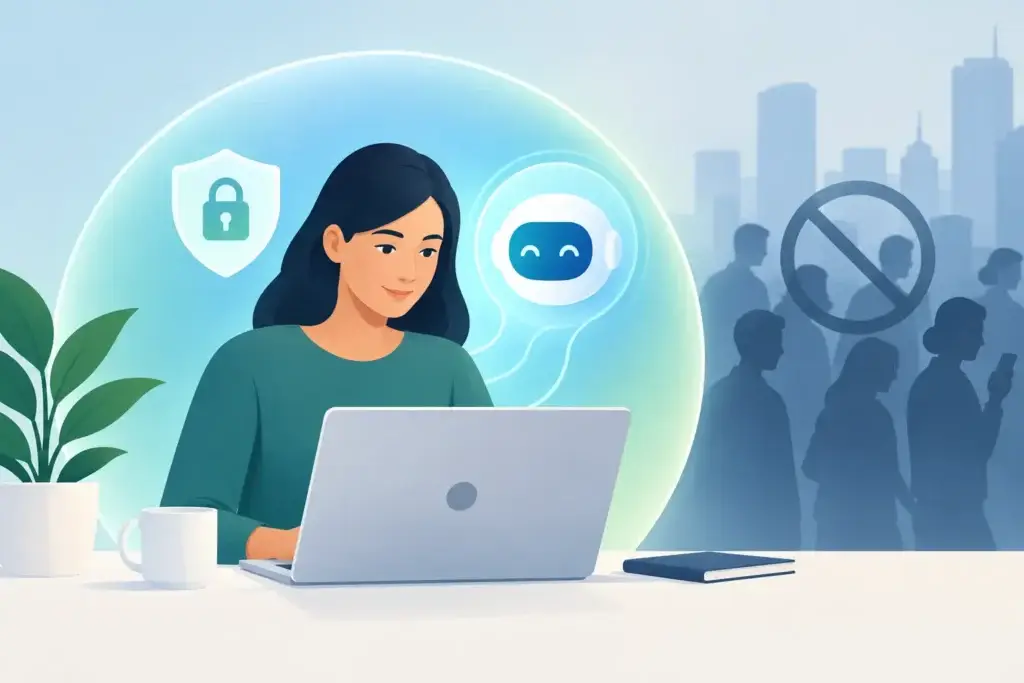
Location can be deeply personal. A location history can reveal where you sleep, work, seek care, spend time alone, and whom you see. That is why a safety feature should share location only when you choose to send an alert, with people you deliberately select.
Be cautious with any tool that encourages constant background sharing as the default. Continuous tracking may feel reassuring in some relationships, but it can also become intrusive or controlling. Consent should be specific, changeable, and easy to withdraw. Someone who cares about you should respect that boundary.
MyPal approaches this kind of support with the same principle that guides private conversation: your information is yours. Its Silent Alert tool is designed to message selected contacts with your location when you trigger it, while the app’s broader privacy approach keeps personal conversations and memories stored on your device rather than treated as material to sell.
That does not mean a phone becomes invisible or invulnerable. Alerts require a working device, available battery, location permissions, and cellular or Wi-Fi service. Delivery can be delayed or fail in areas with poor coverage. Phone operating systems also handle background activity differently, so Android and iPhone behavior may not be identical. Before relying on any alert tool, test it with your contacts in the places and conditions where you expect to use it.
Make the tool easier to use under stress
Practice once when you are safe. Confirm that the right contacts receive the message, that the location is accurate enough, and that everyone understands the follow-up plan. Check that location access is enabled and that notifications are not being filtered or muted in a way that defeats the purpose.
Keep your phone charged when possible, especially on nights when you expect to travel alone. A compact battery can help, but it is not a substitute for awareness. Know one or two nearby places you could enter if you feel unsafe – a busy store, hotel lobby, transit desk, or anywhere with other people and visible staff.
It also helps to listen to yourself without putting your fear on trial. You do not need a courtroom-level case to leave a situation, share your location, or ask a friend to stay on the phone. Your discomfort is information. Treating it seriously is not paranoia. It is self-respect.
Silent alert location sharing works best with people who show up
No app can create trust where none exists. The real strength of silent alert location sharing is the agreement between you and the people on the other end: if I send this, you will not minimize me, interrogate me, or make me regret reaching out.
Choose the people who make that agreement feel real. Test the feature. Keep your control over who can receive your location. And if a moment feels wrong, give yourself permission to act before you can explain every reason why.