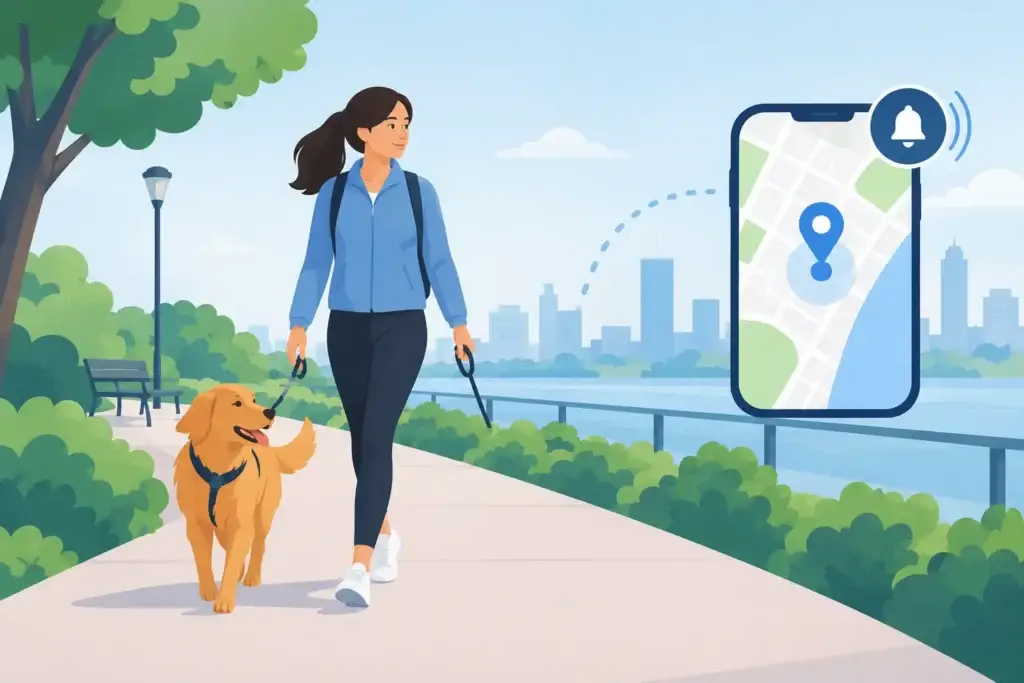
A walk can be the part of your day when your mind finally has room to breathe. It can also feel different after dark, on an unfamiliar route, or when you are carrying the quiet awareness that no one knows exactly where you are. Location alerts on walks offer a practical middle ground: a trusted person can be informed without turning your outing into a running commentary or giving up your privacy to an app that watches everything.
The goal is not to live scared or make another person responsible for your safety. It is to create a small, agreed-upon layer of support. If something feels wrong, you should not have to unlock your phone, explain yourself, or decide how much information is safe to send in the moment.
What location alerts on walks are actually for
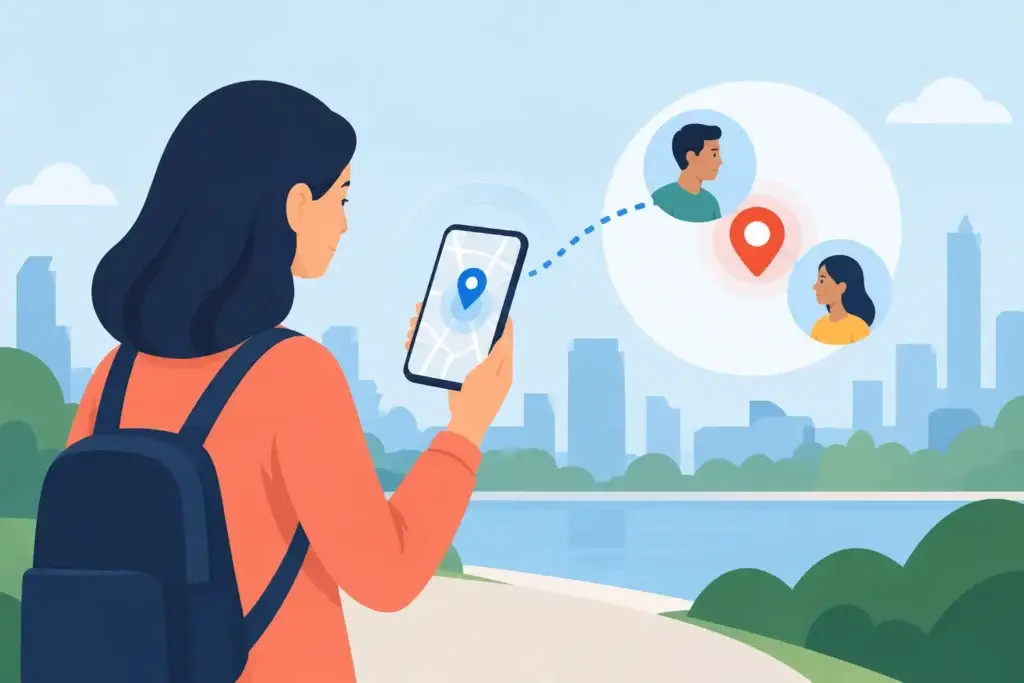
A location alert is a message that shares your location with people you have chosen, usually after you trigger it yourself. It can be useful when you are walking alone, heading from a parking lot to your destination, meeting someone new, traveling, or simply taking a route that makes you uneasy.
The best use of an alert is often preventative, not dramatic. You might activate it because a street is poorly lit, your rideshare dropped you farther away than expected, or your instincts are telling you to stay connected. You do not need to prove that a situation is dangerous before taking your own discomfort seriously.
That said, location sharing is not a substitute for emergency services, situational awareness, or getting to a safer place. An alert may fail to send if your phone has no cellular service, the battery is dead, permissions are turned off, or the device cannot determine your location. Treat it as one part of a personal safety plan, not the whole plan.
Start with trust, not technology
Before configuring an alert, decide who should receive it. This is more personal than it sounds. The right contact is not always the person who loves you most. It is someone who will respond calmly, respect the plan, and understand what you want them to do.
For one person, that may be a roommate who is awake late. For another, it may be a sibling across the country, a friend nearby, or a partner who knows their regular route. Choose one or two people rather than broadcasting your location widely. More recipients can create confusion, pressure, or unwanted access to your movements.
Then have the conversation while everyone is calm. Tell them what an alert means. Does it mean, “Please call me”? Does it mean, “Stay available and check in if I do not respond”? Does it mean, “If I send a specific word, contact emergency services”? There is no universal answer, but ambiguity is not protective when someone is worried.
A simple plan might be: if you activate an alert, your contact sends one short message or calls once. If you do not respond within an agreed timeframe, they try again and take the next step you both decided on. Give them enough direction to help, while leaving room for reality. Not every alert means an emergency. Sometimes it means you wanted a familiar person in your corner for the walk home.
Build a plan you can use under stress
A safety feature is only helpful if it is easy to use when your hands are shaky or your attention is elsewhere. Configure it before you need it. Confirm that the intended contacts are correct, that location permissions are allowed, and that the recipient understands what they will receive.
Keep the action as simple as possible. If your phone supports a discreet trigger, practice it once or twice in a safe setting so you know what happens. Check whether the alert sends a one-time location, ongoing location updates, or a message with a map. Each option has a different privacy trade-off.
One-time sharing reveals less, which may be enough if you need someone to know where you were at a particular moment. Temporary live sharing can be more useful during a longer walk, but it gives another person a fuller picture of your route. Permanent or broad location sharing offers the least control and is rarely necessary for an ordinary walk.
Also plan for the boring failures. Charge your phone before leaving if you can. Carry a small battery pack on longer outings. Keep location services and cellular access enabled when you expect to rely on an alert. On both iPhone and Android, battery-saving settings, operating-system permissions, and app behavior can affect whether a location message is sent or updated. Test the specific setup you intend to use rather than assuming it will work the same way for every device.
Privacy should remain yours
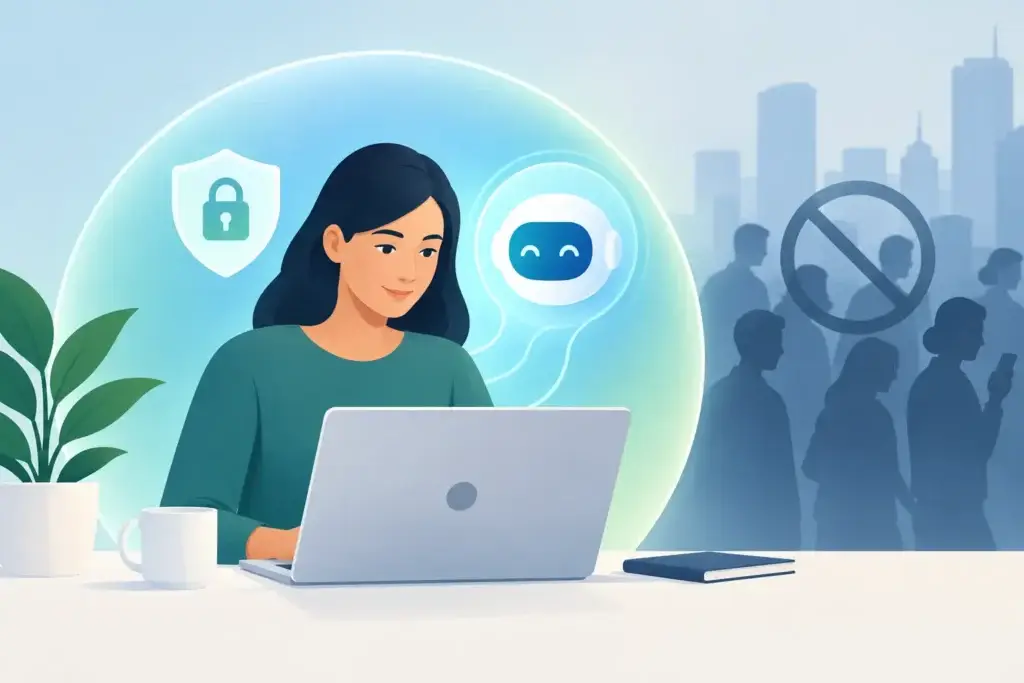
A location alert is intimate information. It can reveal where you live, where you work, what time you are usually alone, and the routines you did not mean to share. That is why safety should never be used as an excuse for constant surveillance.
Look for tools that let you choose who receives an alert, when sharing begins, and when it ends. Be cautious about apps that quietly retain location history, sync it broadly, or make you trade personal data for peace of mind. Convenience has a cost when your movements become a product for someone else to analyze, sell, or store indefinitely.
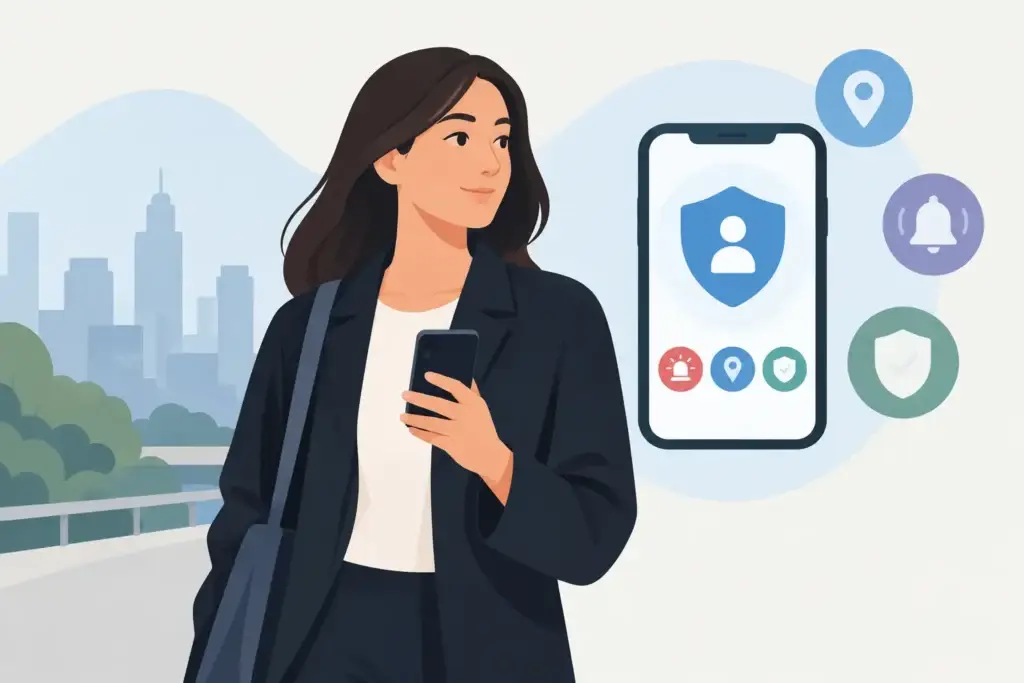
With MyPal’s Silent Alert, the idea is deliberately narrow: give selected trusted contacts a discreet location message when you choose to send one. It is not meant to monitor your day, replace emergency response, or create an always-on record of where you have been. Your relationships, conversations, and safety habits deserve boundaries.
Privacy also means reviewing access over time. A contact who made sense during a difficult season may not make sense now. Remove people after a relationship changes, replace an old phone number, and check your alert settings after major device or operating-system updates. Control is not something you set once and forget. It is something you keep.
Use your surroundings alongside your phone
No app can read a room, notice a person following too closely, or choose the safer side of the street for you. Your attention still matters. When possible, pick familiar routes, stay in visible areas, keep one ear free, and avoid letting navigation or conversation absorb all of your awareness.
If something feels off, give yourself permission to change the plan. Cross the street. Step into an open business. Call someone. Head toward other people. You do not need a perfect explanation to choose caution. The point of a safety plan is to make decisions easier, not to second-guess yourself afterward.
There is also a trade-off between appearing distracted and feeling connected. Talking through headphones may help you feel less alone, but it can reduce your awareness of traffic or nearby voices. If you use a voice companion or call a friend while walking, keep the volume low and pause the conversation when you need to focus. Presence is valuable, but so is hearing what is around you.
When an alert is not enough
If you believe you are in immediate danger, prioritize getting to a safer location and contacting local emergency services when you can. A location message to a friend may help them understand where you are, but it does not guarantee a fast response, and they may not see it right away.
If a person is harassing, following, threatening, or trying to isolate you, do not rely on a silent alert alone. Move toward people, light, staff, security, or a public place. If calling is unsafe, use the emergency options available on your phone when possible. A tool can support your judgment, but it cannot make a dangerous situation harmless.
The same principle applies to emotional safety. If walking alone is becoming something you dread, do not shame yourself for needing more support. Change the route, go earlier, ask someone to join you, or choose another way home. Independence does not mean forcing yourself through situations that leave you constantly on edge.
A well-set location alert does not make a walk risky. It simply gives you a quiet way to stay connected on the days when being known, even briefly, helps you take the next step with a little more ease.